The Quiet Heroes: Volunteers in Care Homes
- 28 May 2026
- News
Volunteers play a special role in care homes.They give their time, kindness and attention to residents who may otherwise feel lonely or isolated. A short chat, a shared activity or a friendly smile can make a real difference to someone’s day.
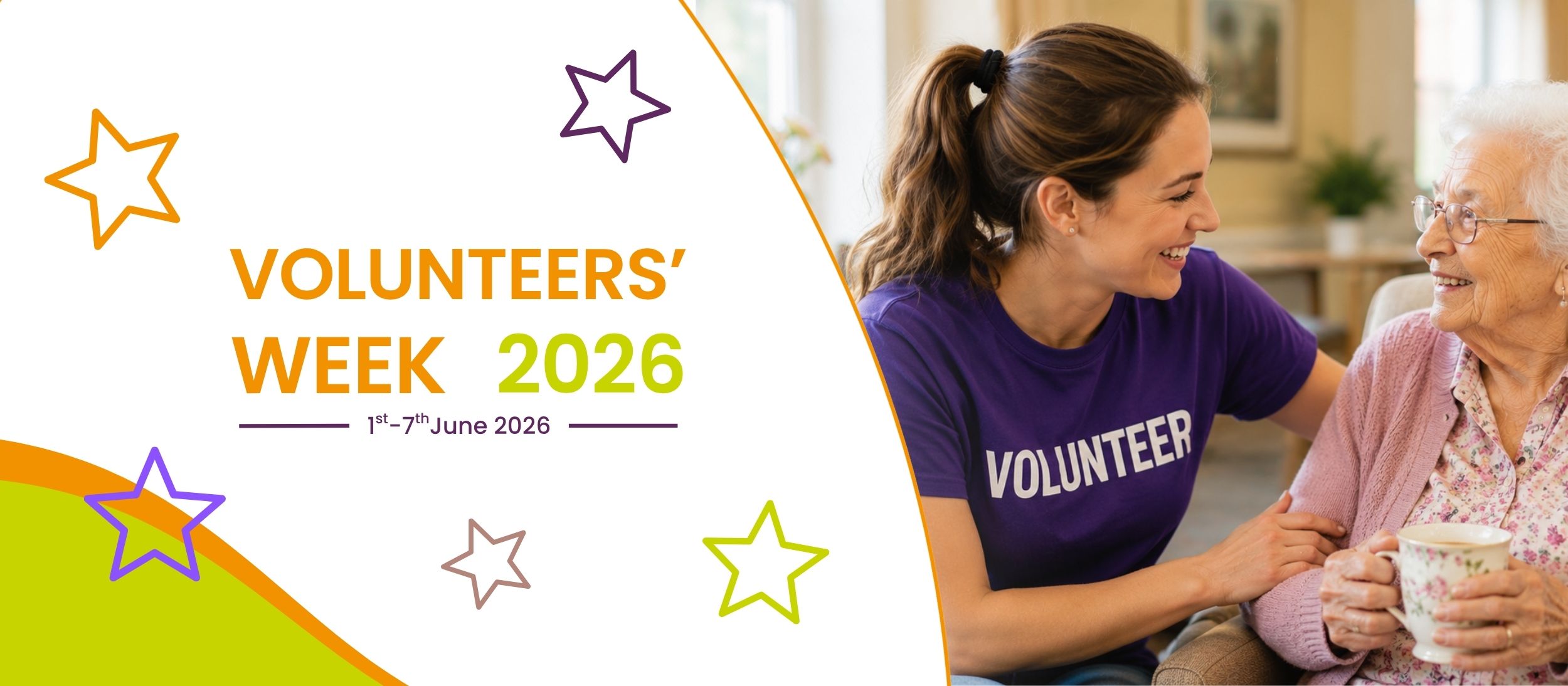
Each year, Volunteers’ Week celebrates the people who give their time to help others. Volunteers’ Week 2026 took place from Monday 1 June to Sunday 7 June. For care homes, it is a good time to say thank you to the volunteers who support residents, staff and the wider care community.
Why Volunteers Matter in Care Homes
Care home staff provide essential care and support every day. Volunteers add something different. They bring companionship, conversation and a link to the local community.
Volunteers may help by:
- Sitting and talking with residents
- Reading books, letters or newspapers aloud
- Supporting arts and crafts
- Helping with gardening
- Joining music sessions or games
- Supporting events and celebrations
- Going on walks with residents
- Helping residents stay connected with the local community
These may seem like small acts. But for many residents, they can be the highlight of the week.
Reducing Loneliness and Isolation
Some people living in care homes have limited visits from family or friends. Others may find it hard to join activities because of poor mobility, illness or confidence. This can lead to loneliness.
Volunteers help by giving residents time and attention. Regular visits can help residents feel:
- Valued
- Remembered
- Included
- More confident
- More connected to others
A simple conversation can have a lasting impact.
Building Human Connection
Volunteering in a care home is not just about helping. It is also about building relationships. Many volunteers form strong bonds with residents. They hear life stories, share memories and learn from people with rich experiences.
Older people in care homes have lived through many changes. They may have stories about family life, work, war, social change and local history. For residents living with dementia, a familiar face can also bring comfort and reassurance.
Different Ways to Volunteer in a Care Home
There are many ways to volunteer in a care home. Some people visit every week. Others help with special events, seasonal activities or one-off projects.
Befriending Volunteers
Befriending volunteers spend one-to-one time with residents. This may include chatting, listening, playing games or simply keeping someone company.
Activity Support Volunteers
Activity volunteers help care home staff run group sessions.
This could include:
- Quizzes
- Exercise classes
- Crafts
- Music sessions
- Baking
- Garden activities
- Birthday parties
- Seasonal celebrations
Intergenerational Projects
Schools, nurseries and youth groups often work with care homes. These visits can help bring different generations together. They can also give younger people a better understanding of older people and care.
Specialist Volunteers
Some volunteers bring specific skills or interests.
For example:
- Musicians
- Gardeners
- Artists
- Therapists
- Pet therapy visitors
- Hairdressers
- Faith or community group members
These volunteers can offer residents new experiences and enjoyable activities.
Volunteering is also rewarding for the person giving their time.
Many volunteers gain:
- A sense of purpose
- Better confidence
- New skills
- Stronger communication skills
- Experience in health or social care
- A closer connection to their community
- A better understanding of older people
For students, volunteering can provide useful experience before a career in nursing, medicine or social care.
For retired people, volunteering can help them stay active, social and involved in local life.
Challenges for Care Homes
Many care homes would welcome more volunteers. However, finding and keeping volunteers can be difficult.
Common challenges include:
- Busy lifestyles
- Lack of awareness
- Concerns after the COVID-19 pandemic
- Limited time for care home teams to manage volunteers
- Safeguarding and training requirements
The pandemic showed how important social contact is for care home residents. During lockdowns, many residents were separated from loved ones for long periods.
This made community support even more important.
Volunteers continue to play a key role in helping care homes rebuild strong community links.
How to Volunteer in a Care Home
People who want to volunteer can contact local care homes directly. They can also look for opportunities through organisations such as:
- NHS Volunteer Responders - GoodSAM
- Royal Voluntary Service - The UK National Volunteer Charity | Royal Voluntary Service
- Volunteer Centre UK - Volunteering | NCVO
- Local volunteer centres
- Community groups
- Faith groups
- Schools, colleges and universities
Most care home volunteering roles include basic checks and training. This helps protect residents and makes sure volunteers feel confident in their role.
A Small Act Can Make a Big Difference
Volunteers may not wear uniforms or receive a salary. But their contribution is incredibly important. Through kindness, conversation and regular support, volunteers help residents feel seen, valued and connected.
In a society where loneliness is still a concern for many older people, volunteering in a care home is one of the simplest ways to make a real difference. Sometimes, giving just one hour of your time can change someone’s whole day.
Supporting Better Care with Digital Care Planning
Alongside support from volunteers, care homes also need clear records and strong care planning. Digital care planning helps care teams deliver safe, consistent and person-centred care.
Fusion Care Planning Software helps care homes record care, manage daily notes, monitor risks and support better outcomes for residents.
Learn more about Fusion's Care Planning software: Fusion Care Planning Software
Have a read of our Mindful Moments Post: Managing Stress in Care Workers: Tips for Better Wellbeing