World Hearing Day 2026: Why Hearing Care Matters in Care Homes
- 03 Mar 2026
- News
World Hearing Day 2026: Why Hearing Care Matters in Care Homes
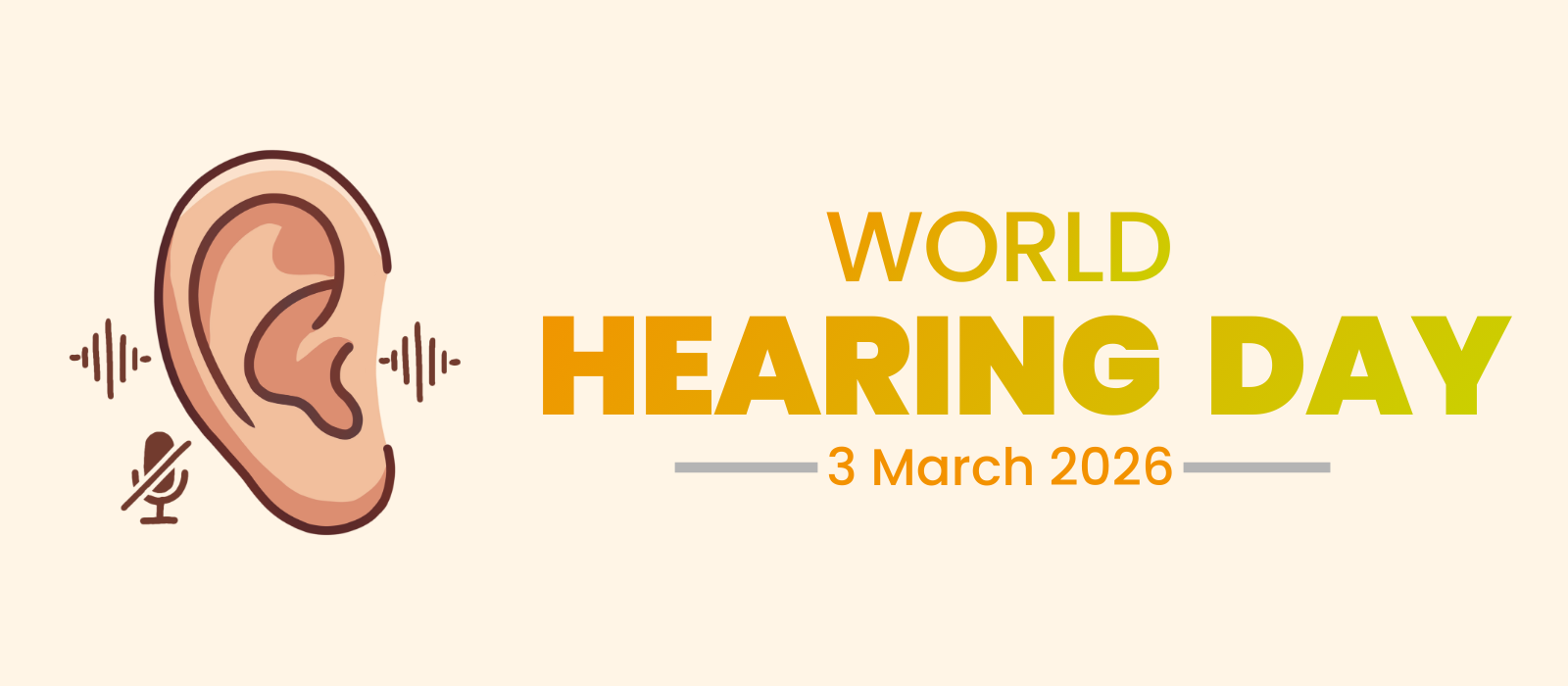
Every year on March 3, World Hearing Day highlights the importance of protecting and prioritising hearing health worldwide. Led by the World Health Organization (WHO), the 2026 campaign places growing emphasis on older adults especially those living in care homes, where hearing care can dramatically improve quality of life, wellbeing, and dignity.
In residential care settings, hearing is not just about sound. It is about connection, safety, independence, and emotional health.
Hearing Loss in Care Homes: A Hidden Challenge
Hearing loss is extremely common among older adults, yet it is often under-recognised in care environments.
1. Many residents experience:
2. Age-related hearing decline
3. Untreated or undiagnosed hearing loss
4. Poorly maintained hearing aids
5. Communication barriers with staff and family
When hearing loss goes unnoticed, it can easily be mistaken for confusion, withdrawal, or even cognitive decline.
Why this matters
Residents who struggle to hear may:
1. Withdraw from social activities
2. Feel isolated or frustrated
3. Experience increased anxiety or depression
4. Be at higher risk of misunderstandings or safety incidents
Supporting hearing health is therefore a core part of person-centred care.
The Role of Care Homes in Hearing Health
Care homes are uniquely positioned to make a meaningful difference because staff interact with residents daily.
Early Identification
Care staff often notice the first signs:
1. Residents increasing TV volume
2. Difficulty following conversations
3. Frequent requests for repetition
4.Social withdrawal
Simple observation can lead to early referral and support.
Hearing Aid Support
Many hearing aids fail simply because they are not maintained. Daily care can include:
1. Checking batteries or charging devices
2. Cleaning hearing aids safely
3. Ensuring correct placement
4. Storing devices properly overnight
Small routines prevent big communication barriers.
Communication-Friendly Environments
Care homes can adapt environments by:
1. Reducing background noise
2. Improving lighting for lip-reading
3. Facing residents while speaking
4. Using clear, calm and simple communication
These changes benefit all residents not only those with diagnosed hearing loss.
Hearing Care and Emotional Wellbeing
Hearing connects residents to relationships and meaningful moments.
When hearing needs are supported:
1. Residents engage more in activities
2. Family visits become more enjoyable
3. Loneliness decreases
4. Confidence improves
5. Cognitive stimulation increases
Something as simple as ensuring a hearing aid works properly can restore participation in daily life.
Practical Actions for World Hearing Day 2026 in Care Homes
Care homes can use World Hearing Day as an opportunity to strengthen hearing support practices.
For Care Home Managers
1. Organise on-site hearing screenings
2. Partner with audiology services
3. Provide staff training on hearing awareness
4. Include hearing checks in care plans
For Care Staff
1. Speak clearly and face residents
2. Check hearing devices during morning routines
3. Report changes in hearing behaviour
4. Encourage residents to wear prescribed devices
For Families
1. Ensure hearing aids are serviced regularly
2. Communicate clearly during visits
3. Raise concerns early with staff
Creating Hearing-Friendly Care Environments
A hearing-friendly care home promotes inclusion and respect.
Simple improvements include:
1. Quiet dining spaces
2. Soft furnishings to reduce echo
3. Visual activity schedules
4. Assistive listening technologies
5. Staff awareness training
These adjustments support communication without major cost.
Listening with Compassion
World Hearing Day 2026 reminds us that good care is not only about physical health it is about being heard and understood. In care homes, prioritising hearing care:
1. preserves identity
2. strengthens relationships
3. enhances safety and supports healthier ageing
By recognising hearing as an essential part of holistic care, care homes can create environments where every resident remains connected to the world around them.
Further Reading:
Unintentional Weight Loss in Care Homes Identification and Management
Official World Hearing Day Website